Posts

Showing posts with the label Rutland Plastics

From Concept to Creation: The Lifecycle of Injection Moulding Tools

Image
Introduction: In the intricate world of manufacturing, the journey from concept to creation is a fascinating exploration, especially when it comes to injection moulding tools . Understanding the lifecycle of these tools is essential for optimizing production processes and ensuring the quality of the final products. The Birth of an Idea: The lifecycle begins with a concept—an idea that identifies a need or an opportunity. This initial phase involves collaboration between design engineers and experts in toolmaking. Rutland Plastics, a renowned name in the industry, embraces this phase by leveraging cutting-edge technologies in computer-aided design (CAD). This enables them to conceptualize intricate mould tool designs with precision. Tool Design and Prototyping: Once the concept is solidified, toolmakers at Rutland Plastics embark on the design and prototyping stage. CAD models are transformed into physical prototypes, allowing for thorough testing and refinement. This crucial step ensur...

Exploring Blow Moulding and Injection Moulding Processes

Image
Exploring Blow Moulding and Injection Moulding Processes Introduction: In the dynamic realm of plastic manufacturing, two prominent processes—blow moulding and injection moulding—stand out for their versatility and widespread applications. Understanding the intricacies of these processes is essential for anyone involved in the plastic industry or interested in the manufacturing world. In this comprehensive exploration, we'll delve into the core aspects of blow moulding and injection moulding, highlighting their unique characteristics, applications, and key differences. Blow Moulding: Crafting Hollow Forms with Precision Blow moulding is a manufacturing process primarily used to create hollow plastic parts. This technique is widely employed in the production of bottles, containers, and other packaging materials. The process begins with the melting of plastic resin, which is then shaped into a parison—a hollow tube. This parison is placed into a mould, and compressed air is blown in...

Common Mistakes to Avoid in Electrofusion Welding

Image
Introduction: Electrofusion welding is a sophisticated technique that plays a crucial role in joining thermoplastics efficiently. However, even seasoned professionals can make mistakes during the process. In this blog post, we'll delve into the common errors in electrofusion welding and how to steer clear of them to ensure seamless and durable connections. 1. Neglecting Surface Preparation: One prevalent mistake in electrofusion welding is neglecting proper surface preparation. It's essential to understand that the quality of the fusion largely depends on the cleanliness of the surfaces being joined. Before initiating the process, ensure that the pipes or fittings are free from dirt, moisture, and any contaminants that may hinder a successful fusion. 2. Inadequate Pipe Scrape: Proper scraping of the pipe ends is paramount for a successful electrofusion weld. Some practitioners make the mistake of inadequately scraping the pipes, leading to insufficient penetration and weak joi...

The Role of Mould Cooling in Injection Moulding Efficiency

Image
Introduction Injection moulding is a versatile manufacturing process used in various industries to produce complex plastic parts. One critical aspect of this process that often goes unnoticed is mould cooling. Efficient mould cooling is indispensable for achieving high-quality, consistent results in injection moulding . In this blog post, we will explore the vital role that mould cooling plays in injection moulding efficiency and how it can make a difference in your manufacturing process. Understanding Injection Moulding Before we delve into the importance of mould cooling, let's briefly recap the basics of injection moulding. It's a process that involves injecting molten plastic material into a mould cavity under high pressure. Once the material cools and solidifies, it takes the shape of the mould, resulting in the desired product. The Significance of Proper Mould Cooling Optimal Cooling Times: The cooling phase accounts for a substantial portion of the injection moulding cy...

Toolmaking's Impact on Injection Moulding Economics: Efficiency, Cost, and Quality

Image
Toolmaking's Impact on Injection Moulding Economics: Efficiency, Cost, and Quality In the world of plastic manufacturing, the synergy between toolmaking and injection moulding is a driving force behind successful production processes. As the backbone of quality and efficiency, toolmaking profoundly influences the economics of injection moulding. In this article, we delve into the crucial role of toolmaking and its far-reaching impact on efficiency, cost, and quality in the realm of injection moulding. The Marriage of Toolmaking and Injection Moulding Toolmaking, the intricate process of crafting moulds that shape plastic components during injection moulding, is akin to an artisan's craftsmanship. Each mould is meticulously designed to dictate the product's final form. Efficient toolmaking ensures that the mould not only meets the design specifications but also aligns with the intended economics of the manufacturing process. Enhancing Efficiency: Streamlining Production Eff...

Design for Manufacturing in Injection Moulding: Creating Efficient and Cost-Effective Products

Image
Design for Manufacturing in Injection Moulding: Creating Efficient and Cost-Effective Products Introduction In the realm of modern manufacturing, efficiency and cost-effectiveness are paramount. Achieving these goals starts with an often-overlooked stage: design. Design for Manufacturing (DFM) is a strategic approach that optimizes the product design process to align seamlessly with the capabilities of the chosen manufacturing method. In the world of injection moulding, DFM plays a crucial role in crafting products that not only meet design specifications but also streamline production and minimize costs. This blog delves into the significance of DFM in injection moulding and highlights how industry leader Rutland Plastics has mastered this art to deliver exceptional results. The Essence of Design for Manufacturing (DFM) Design for Manufacturing revolves around the principle of designing products with the manufacturing process in mind from the very beginning. By considering manufactur...

Innovations in Injection Moulding: 3D Printing and Industry Trends

Image
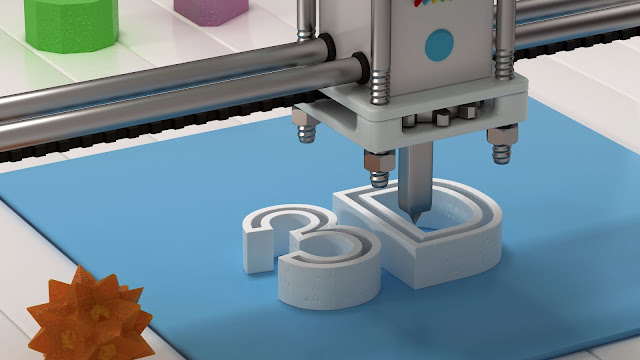
Innovations in Injection Moulding: 3D Printing and Industry Trends Introduction The world of injection moulding is continuously evolving, with technological advancements and innovative solutions driving the industry forward. Among these exciting developments, 3D printing has emerged as a game-changer, revolutionizing the way plastic components are manufactured. In this blog, we will explore the fascinating innovations in injection moulding, with a specific focus on 3D printing, and discuss the latest industry trends that are shaping the future of manufacturing. 1. The Rise of 3D Printing in Injection Moulding Traditional injection moulding has long been the go-to method for mass-producing plastic components with precision and efficiency. However, 3D printing, also known as additive manufacturing, has rapidly gained traction as a complementary and even alternative technique. Unlike conventional moulding, 3D printing builds parts layer by layer from digital models, allowing for complex...

Electrofusion vs. Butt Fusion: Choosing the Right Method for Your Project

Image
Introduction When it comes to joining polyethylene pipes, two popular methods stand out: Electrofusion and Butt Fusion. Both techniques offer secure and durable connections, but each has distinct characteristics that make them suitable for specific applications. In this comprehensive guide, we will delve into the differences between Electrofusion and Butt Fusion, helping you make an informed decision for your project. As a leading provider of advanced plastic welding solutions, Rutland Plastics is here to shed light on these welding methods and assist you in selecting the one that best suits your needs. Understanding Electrofusion Electrofusion is a sophisticated fusion welding process that creates a seamless joint between two polyethylene pipes using an electric current. During Electrofusion, the pipe ends are fitted with specially designed couplers, which house built-in heating elements. These couplers are then connected to an Electrofusion welding machine, where controlled electric...

Design for Manufacturing: Key Principles for Injection Molding Success

Image
Design for Manufacturing: Key Principles for Injection Molding Success Introduction: In the world of injection molding, achieving manufacturing success relies heavily on effective design principles. Design for Manufacturing (DFM) plays a crucial role in optimizing the injection molding process and ensuring high-quality plastic parts. In this blog, we will explore the key principles of DFM for injection molding success. From design considerations to material selection and production efficiency, we will delve into the strategies that lead to exceptional outcomes. Let's dive in! Understand the Requirements: Before diving into the design process, it's essential to thoroughly understand the requirements of the project. Collaborate with clients, product managers, and engineers to gain a comprehensive understanding of the desired functionality, aesthetics, and performance of the plastic part. This ensures that the design aligns with the intended purpose. Optimize Part Design: Effecti...